Fukushima Medical University graduate students involved in F-REI commissioned research received an award at an academic conference in the field of radiology
July 4, 2025, Fukushima Medical University graduate students WACHI Kaito and AKIYA Naochika received an award at the 81st Annual Meeting of the Japanese Society of Radiological Technology, the world’s largest academic conference in the field of radiology. The two are currently affiliated with Miwa Laboratory at the Graduate School of Health Sciences, Fukushima Medical University, where they are conducting research on nuclear medicine** therapy. Their graduation research has gained recognition and ultimately earned them this award.
Wachi and Akiya worked as research assistants in one of F-REI’s commissioned research projects, titled “Research and Development of RI-labeled Diagnostic Methods and Therapeutic Agents.” This commissioned research aimed to develop revolutionary radiopharmaceuticals for use in cancer diagnosis and treatments, as well as to cultivate research talent who will lead the future of F-REI. We are thrilled that these two ambitious researchers have received prestigious awards after overcoming challenges while working in one of F-REI’s commissioned research.
On this occasion, we visited Miwa Laboratory, to which the two award winners belong, and spoke with them.
**A medical field that uses radioisotopes (RI) to both diagnose and treat diseases.
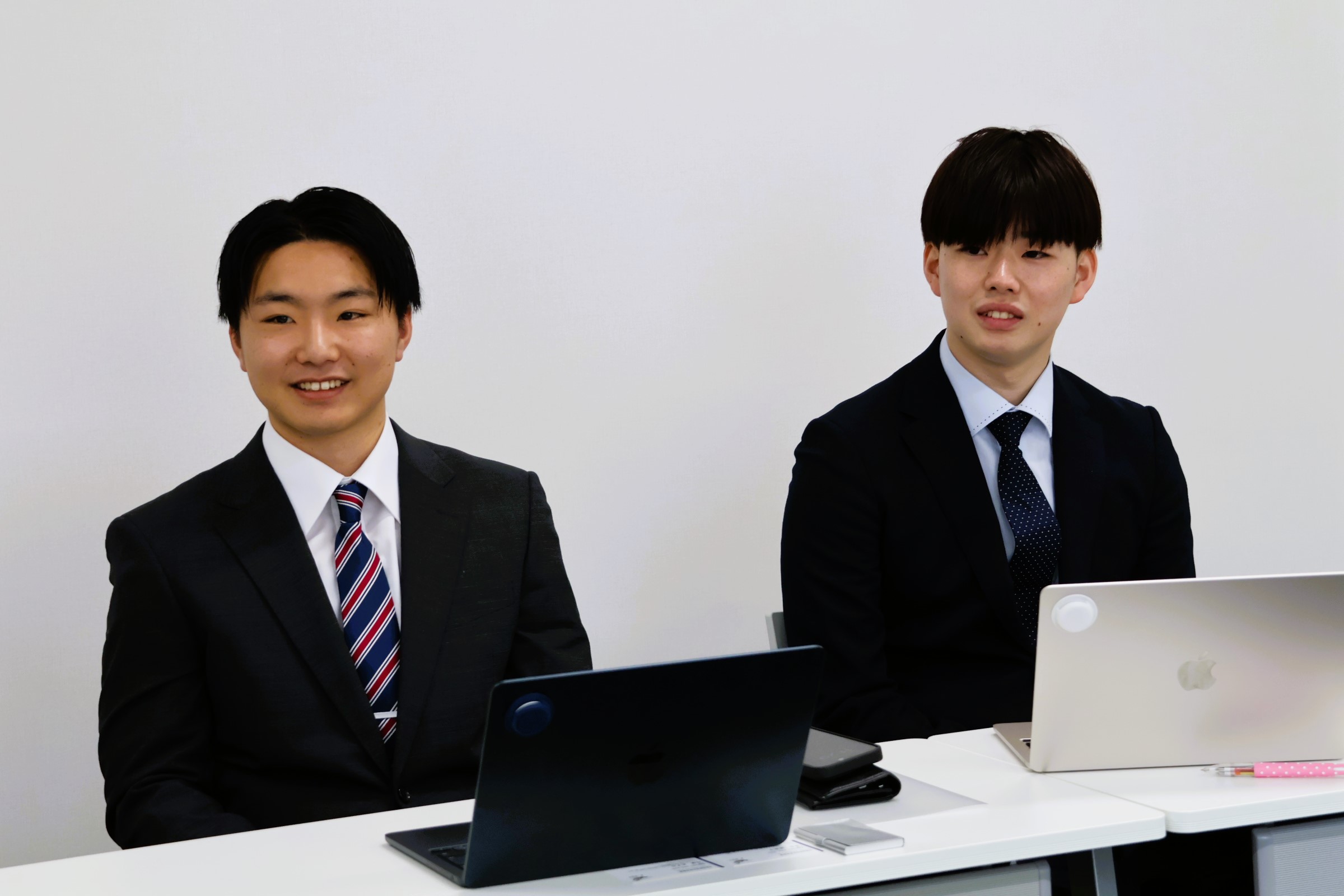
(Mr. Akiya (left) and Mr. Wachi (right) during the interview)
Deepening knowledge on nuclear medicine, with Fukushima as a learning hub
Wachi and Akiya are both Fukushima natives. Having studied in Fukushima, they are devoted to research every day, motivated by a strong desire to contribute to advancing the medical field in their hometown.
Miwa Laboratory, with which the two awardees are affiliated, covers a wide range of research themes in the field of nuclear medicine, from basic research to clinical applications. This laboratory provides an environment where they can broaden their perspectives as researchers and skills as medical professionals. Professor Miwa speaks highly of the two, “They take good care of their juniors, and their presence supports the entire laboratory.”
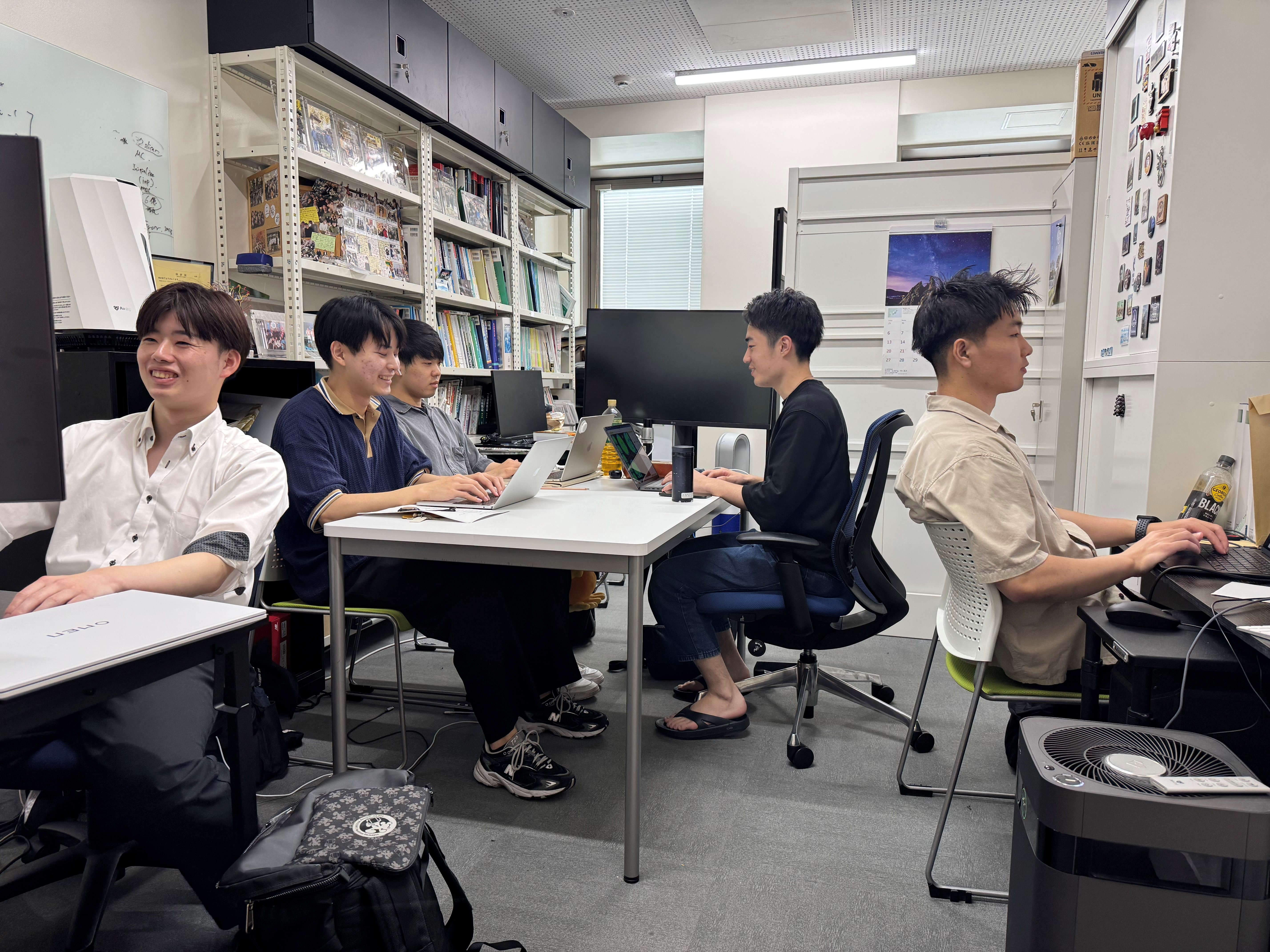
(Scene from Miwa Laboratory (Courtesy of Fukushima Medical University))
A place to expand knowledge and put it into practice
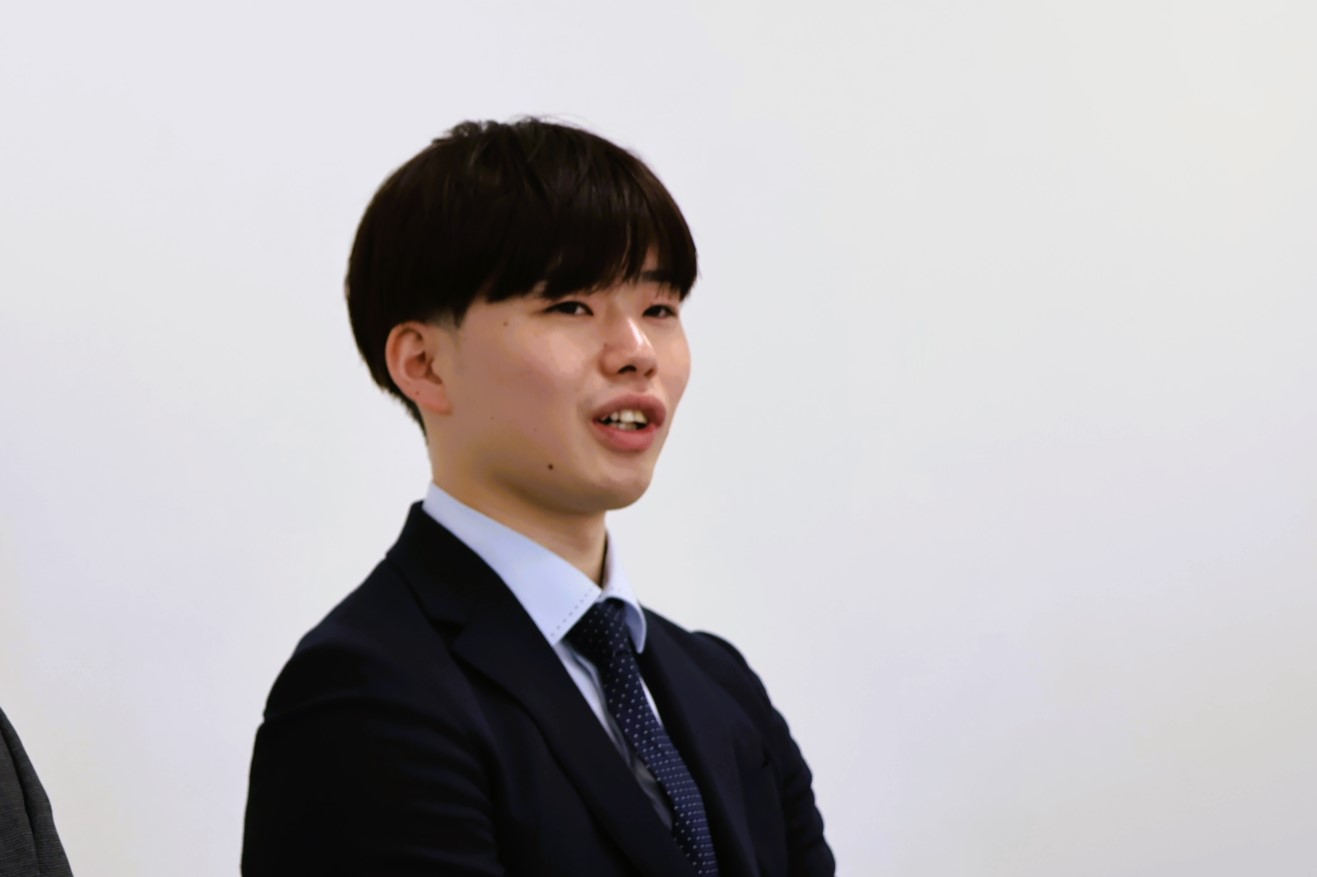
In addition to graduate research, Wachi and Akiya actively participate in and give presentations at academic conferences both in Japan and abroad. I thought that such a busy life must be hard on them, but they smiled and said they really enjoyed their work.
In March 2024, they visited nuclear medicine treatment facilities in Germany and Poland. This fall, they are set to give a presentation at an international conference in Barcelona, Spain.
“By working in F-REI’s commissioned research, we were given the opportunity to attend academic conferences and academic field visit. This broadened the scope of our challenges and in turn led to success,” said Wachi and Akiya. Professor Miwa also added, “I believe that collaboration with external institutions such as F-REI will provide a major boost in the development of young researchers in the future.”
My dream is to be a Fukushima-based researcher with global reach
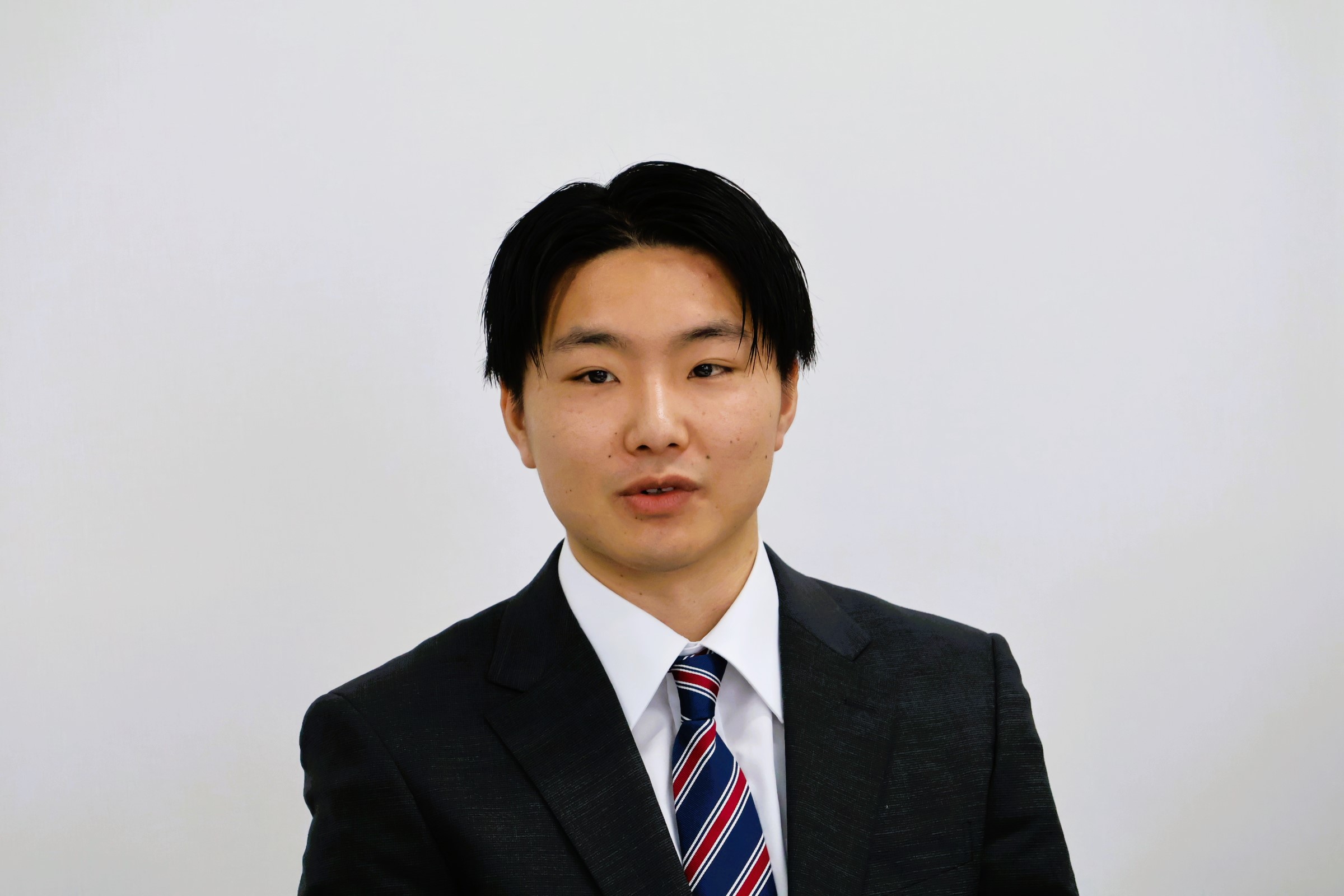
Both scientists’ eyes lit up as they expressed their hopes of continuing to doctoral studies and becoming internationally active researchers in the field of nuclear medicine. The two went on to convey their dreams. “I am also considering becoming a lecturer and nurturing the next generation,” shared Wachi. Meanwhile, Akiya said, “I want to be a researcher who can contribute to my hometown, Fukushima.”
Not only research, members of Miwa Laboratory also actively engage in mentoring for younger students and hold daily discussion sessions. This results in a deep bond between graduate students. Wachi and Akiya said that in the warm atmosphere of the laboratory, they are able to live fulfilling lives. Furthermore, from Fukushima as their home base, they are steadily paving the way to connect with the world. Listening to their dreams and goals, we felt very encouraged.
F-REI’s vision of the future: Creating an environment where young people can pursue their dreams
Throughout this interview, we were impressed by the two scientists’ commitment to research and strong feelings for their hometown, Fukushima.
F-REI is fully committed to promotes human resource development for graduate students and youths who will lead the region to the future. At F-REI, we will continue to fully support ambitious young generations who dream of becoming a researcher or contributing to Fukushima.
We would like to thank Mr. Wachi, Mr. Akiya, and Professor Miwa for their cooperation in this interview.
Please look forward to their future endeavors.
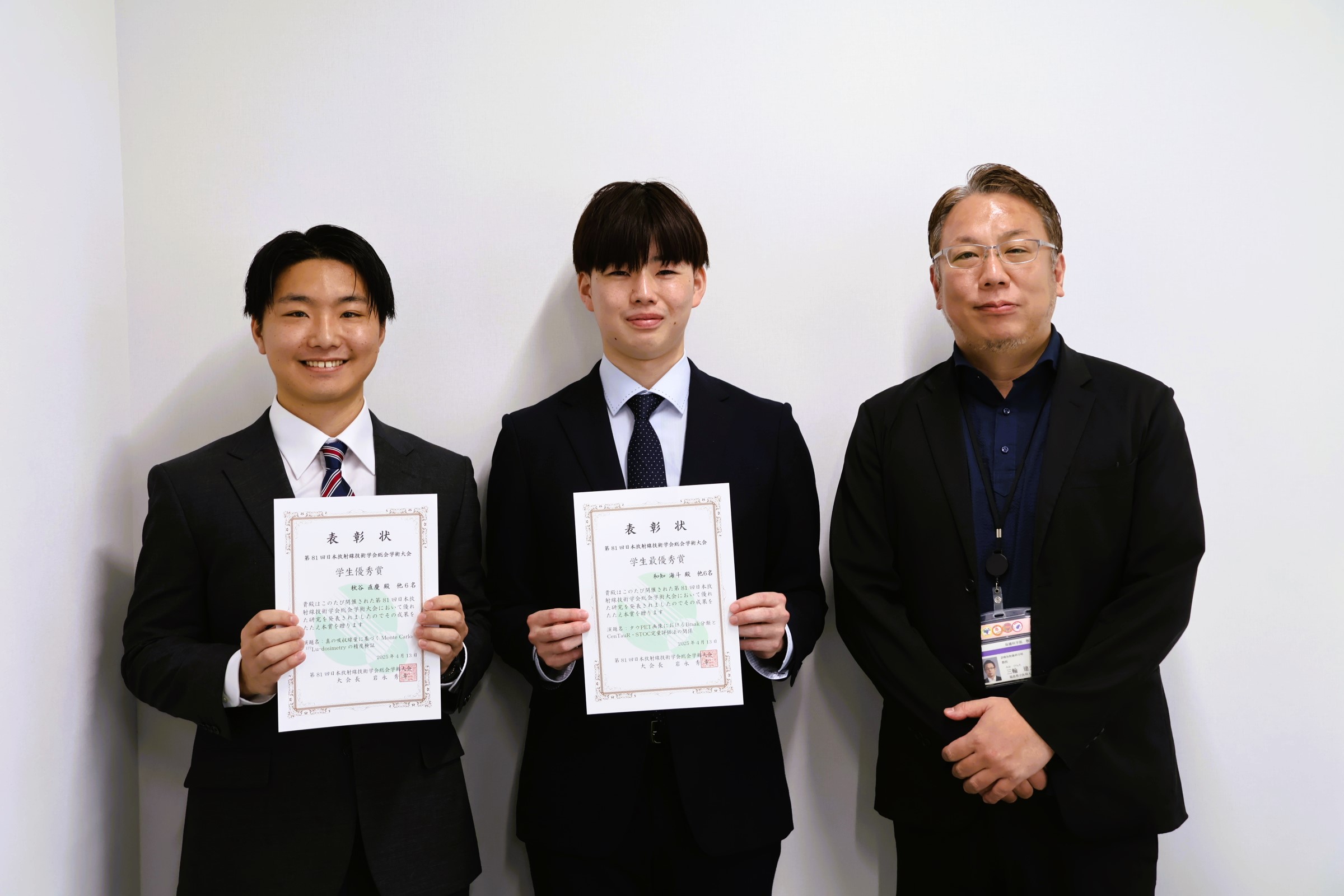
(from left to right: Mr. Akiya, Mr. Wachi, and Professor Miwa)
[Summary of the Award-winning Research]
- Wachi Kaito: “Best Student Award”
Relationship between Braak classification and CenTauR/STOC quantitative evaluation method in tau PET imaging - Akiya Naochika: “Student Excellence Award”
Accuracy verification of Monte Carlo 177Lu-dosimetry based on true absorbed dose
[More information on Wachi and Akiya’s research]
- Wachi Kaito’s Research Themes
The first theme is quantitative evaluation of amyloid PET and tau PET imaging for Alzheimer’s disease. In Alzheimer’s disease, the accumulation of abnormal proteins, such as amyloid beta (amyloid-β) and tau, occurs progressively in the brain even before symptoms such as memory impairment appear. PET scan is method that can visualize this accumulation of abnormal proteins. PET scan, coupled with the advent of disease-modifying drugs (DMT) that slow down the progression of dementia, has become essential for understanding the pathology of Alzheimer’s disease. So far, PET scan images are analyzed visually. In this study, we aim to establish an objective and reproducible evaluation method for PET imaging, by calculating and analyzing the images as quantitative values. Our goal is to achieve a more accurate understanding of the pathological condition.
The other theme is a study on the traceability of alpha- and beta-emitting radionuclides such as Lu-177, At-211, and Ac-255 in nuclear medicine therapy. Traceability refers to linking the radioactivity measurement accuracy of one’s own facility to that of the national standard. Through joint research with the National Institute of Advanced Industrial Science and Technology (AIST) and the Japan Radioisotope Association (JRIA), which serve as national standards, we are developing methods for measuring the absolute radioactivity of radionuclides used in nuclear medicine therapy. Accurate measurement of radioactivity will also lead to improved accuracy of individual dose assessment in nuclear medicine therapy. - Akiya Naochika’s Research Themes
At present, we are working on the development of individual dose assessment methods for nuclear medicine therapy. To optimize nuclear medicine therapy for each patient, individual dose assessment is necessary because it enables calculation of absorbed dose, which is the amount of radionuclide drug accumulated in the body after administration. However, there are multiple variables in individual dose assessment methods, which may cause differences in the final measured values of absorbed dose. Therefore, we aim to improve and standardize individual dose assessment methods by clarifying each variable. Our goal is to achieve consistent and reliable dose assessment. We believe that by establishing a highly accurate and standardized individual dose assessment method, we can also contribute to drug development in nuclear medicine therapy.
[Reference Links]
Announcement from Fukushima Medical University (external site in Japanese)
Message from Professor Miwa (external site in Japanese)
F-REI FY2023 Commissioned Project Overview (PDF in Japanese)
*This article is based on the content of the interview at the time.
Interview and writing: Adachi and Matsuba (F-REI Public Relations)